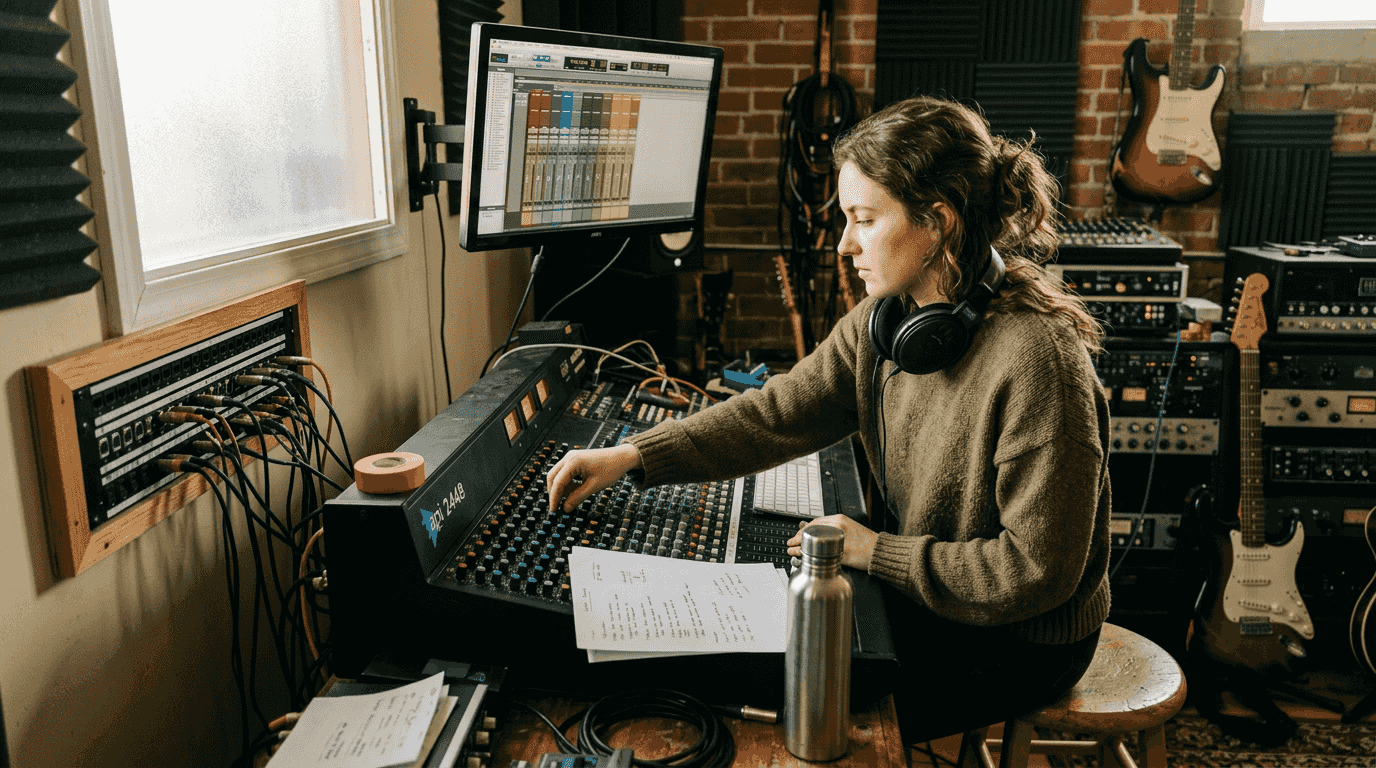


You’ve got undeniable talent, hours of studio time logged, and a growing catalog of original music. Yet breaking through feels impossible. Here’s the truth: talent alone won’t build a sustainable music career. Female artist empowerment requires systemic support, strategic resources, and collaborative networks that amplify your voice in an industry still grappling with gender inequality. This guide reveals what empowerment truly means, the challenges you’ll face, and actionable strategies to access funding, mentorship, and opportunities that transform your passion into a thriving professional career in 2026.
Table of Contents
- Understanding Female Artist Empowerment: Context And Challenges
- Defining Empowerment: Beyond Talent To Systemic Change
- Essential Resources And Support Systems For Female Artists
- Collaboration And Community: Building Networks For Success
- Applying Empowerment: Strategies For Your Music Career Growth
- Empower Your Music Career With Naya Music
- Frequently Asked Questions
Key takeaways
| Point | Details |
|---|---|
| Empowerment requires systemic support | Access to funding, legal expertise, and mentorship creates sustainable career foundations beyond raw talent. |
| Collaboration opens doors | Strategic networking and partnerships increase visibility, unlock opportunities, and combat industry isolation. |
| Gender bias persists globally | Female artists face unique barriers including limited access, cultural expectations, and representation gaps. |
| Tailored strategies matter | Genre-specific and culturally adapted approaches address unique challenges in African and global music markets. |
| Resources drive professional growth | Grants, workshops, and support programs provide essential tools for navigating complex industry landscapes. |
Understanding female artist empowerment: context and challenges
The creative sector in sub-Saharan Africa employs millions and generates billions, yet female artists remain dramatically underrepresented in leadership roles, festival lineups, and major label rosters. This economic paradox reveals a fundamental truth: the industry profits from creativity while systematically limiting who gets to participate fully. Female artists in music contribute immense cultural and economic value, yet gender inequality prevents access to career-sustaining resources and opportunities.
Consider these persistent barriers:
- Limited access to production facilities and recording equipment
- Scarce funding opportunities compared to male counterparts
- Cultural expectations that prioritize domestic roles over professional ambitions
- Industry gatekeepers who undervalue female perspectives and creative contributions
- Lack of female representation in A&R, management, and executive positions
Regional challenges compound these issues. In many African music markets, traditional gender roles create additional friction for women pursuing music careers. Family pressure to abandon artistic dreams, limited safe performance venues, and restricted travel opportunities create obstacles male artists rarely encounter. The sub-Saharan Africa creative sector shows promise, but structural inequalities demand intentional intervention.
“The music industry celebrates female talent while simultaneously creating systems that make it nearly impossible for women to build long-term careers. Empowerment means dismantling these contradictions.”
Globally, gender disparity manifests in festival billing percentages, streaming playlist placements, and award nominations. Major music conferences feature predominantly male speakers and panelists. Radio programmers prioritize male artists. Investors fund male-led music startups at significantly higher rates. These aren’t isolated incidents but patterns revealing systemic bias that individual effort alone cannot overcome.
Defining empowerment: beyond talent to systemic change
Many emerging artists believe exceptional talent guarantees success. This misconception keeps talented women stuck in perpetual hustle mode, blaming themselves when doors don’t open. True female artist empowerment recognizes that systemic changes within the industry matter more than individual effort when structural barriers block progress.
Empowerment encompasses three critical dimensions:
- Strategic career architecture – Understanding music business fundamentals including copyright, royalty structures, contract negotiation, and revenue diversification beyond streaming
- Resource accessibility – Securing funding, legal counsel, production support, and marketing expertise typically reserved for artists with industry connections or financial backing
- Ecosystem cultivation – Building networks of collaborators, mentors, and advocates who actively champion your work and create opportunities
The talent myth persists because it serves industry interests. When artists believe success depends solely on skill and determination, they accept exploitative deals, work without fair compensation, and blame themselves for systemic failures. Breaking this cycle requires recognizing that even exceptionally talented artists need business acumen, financial resources, and strategic partnerships.
Pro Tip: Treat your music career like a business from day one. Open a separate bank account for music income, track expenses meticulously, and learn basic contract principles before signing anything.
Mentorship transforms abstract empowerment concepts into practical guidance. Experienced artists who’ve navigated industry challenges can help you avoid costly mistakes, identify legitimate opportunities, and build confidence in negotiation scenarios. Legal support protects your intellectual property and ensures fair compensation. Funding provides breathing room to create without financial desperation driving poor decisions.
Creating sustainable ecosystems means establishing support structures that enable female artists to thrive long-term. This includes advocating for gender-balanced festival lineups, demanding transparent payment structures, supporting female-owned music businesses, and calling out discrimination when you witness it. Individual success matters, but collective advancement requires challenging systems that limit opportunities for all women in music.
Essential resources and support systems for female artists
Access to funding, mentorship, and legal support separates artists who build sustainable careers from those who burn out despite tremendous talent. These resources provide foundations for professional growth, protecting your work while expanding your reach.
Critical resource categories:
- Financial support – Grants, crowdfunding platforms, and micro-loans designed for creative projects
- Legal protection – Copyright registration assistance, contract review services, and intellectual property education
- Marketing expertise – Social media strategy, press kit development, and playlist pitching guidance
- Production access – Studio time, equipment rental programs, and engineering mentorship
- Business education – Workshops covering touring logistics, merchandise strategies, and revenue optimization
| Resource Type | Average Impact | Access Difficulty | Time Investment |
|---|---|---|---|
| Grant funding | High (covers production costs) | Medium (competitive applications) | 10-15 hours per application |
| Legal consultation | High (protects intellectual property) | Low (many free clinics available) | 2-4 hours initially |
| Mentorship programs | Very High (career guidance) | Medium (limited spots) | Ongoing relationship |
| Marketing workshops | Medium (skill development) | Low (widely available online) | 5-8 hours per course |
The PRS Foundation’s Women Make Music fund demonstrates tangible impact through grants and touring opportunities. Recipients report increased confidence, expanded networks, and measurable career advancement including record deals, festival bookings, and international touring opportunities. These outcomes stem from removing financial barriers that prevent talented artists from accessing professional opportunities.
Pro Tip: Apply for multiple grants simultaneously rather than waiting for rejection before trying another. Most funding organizations expect artists to pursue multiple sources and won’t penalize you for casting a wide net.
Seek music resources for female artists through organizations prioritizing gender equity. Research shows that general music programs often inadvertently favor male applicants through unconscious bias in selection processes. Female-focused initiatives counteract these patterns by intentionally creating space for women’s voices. Emerging artist launch packages provide structured pathways combining multiple resource types into comprehensive support systems.

Leveraging resources effectively requires strategic thinking. Don’t just collect information; implement what you learn. Attend workshops with specific questions prepared. Use legal consultations to review actual contracts you’re considering. Apply grant funding toward investments that generate returns like professional recording or video production. Treat every resource as a stepping stone toward your next career milestone.
Collaboration and community: building networks for success
Isolation kills music careers. You can’t build sustainable success alone, yet many female artists struggle to find genuine collaborative opportunities in male-dominated spaces. Collaborative projects and industry events increase visibility and unlock opportunities that solo efforts rarely achieve.
Networking extends beyond collecting business cards at industry mixers. Meaningful connections develop through authentic engagement, mutual support, and shared creative vision. Attend songwriter rounds, join online communities focused on your genre, participate in music business panels, and volunteer at local music organizations. Each interaction potentially connects you with collaborators, mentors, or advocates who champion your work.
| Approach | Visibility Impact | Opportunity Access | Sustainability |
|---|---|---|---|
| Solo career focus | Limited (depends on individual effort) | Restricted (single perspective) | Challenging (burnout risk high) |
| Collaborative approach | Amplified (shared audiences) | Expanded (multiple networks) | Stronger (mutual support) |
Practical networking strategies:
- Join genre-specific online communities and contribute valuable insights regularly
- Attend local music industry events with clear goals for each interaction
- Offer genuine support to peers before asking for favors
- Follow up within 48 hours after meeting new contacts
- Create collaborative opportunities like songwriting sessions or joint performances
- Share other artists’ work authentically when it resonates with you
Successful female musicians often credit collaborative relationships as career turning points. Co-writing sessions lead to publishing deals. Featured artist spots introduce you to new audiences. Joint tours split costs while doubling promotional reach. Producer relationships yield better recordings. Manager connections open doors to booking agents and labels. Every collaboration potentially multiplies your career trajectory.
Community support for female artists creates safety nets during inevitable industry challenges. When you face discrimination, rejection, or exploitation, having peers who understand your experience provides emotional resilience and practical advice. These relationships also generate opportunities through recommendations, referrals, and collaborative projects that showcase your talents to new audiences.
Building authentic networks requires consistency and reciprocity. Show up regularly to community events. Support other artists’ releases and shows. Share knowledge freely without expecting immediate returns. Celebrate peers’ successes genuinely. These actions establish your reputation as a collaborative, supportive community member, making others eager to work with you and recommend you for opportunities.
Applying empowerment: strategies for your music career growth
Understanding empowerment concepts means nothing without implementation. Transform these insights into actionable career strategies tailored to your unique circumstances, genre challenges, and cultural context.
Strategic career planning framework:
- Define clear milestones – Set specific, measurable goals for the next 6, 12, and 24 months including release targets, audience growth metrics, and income objectives
- Audit current resources – Identify what you already have (equipment, skills, connections) and gaps requiring external support
- Map funding pathways – Research grants, crowdfunding options, and micro-loans matching your project needs and eligibility
- Build your team strategically – Prioritize relationships with legal counsel, a mentor in your genre, and collaborative artists aligned with your vision
- Create accountability systems – Join or form a peer group that meets regularly to share progress, challenges, and resources
- Measure and adjust quarterly – Review what’s working, abandon strategies that aren’t, and refine your approach based on results
Accessing funding requires persistence and strategic targeting. Don’t just apply to the biggest, most competitive grants. Pursue local arts councils, genre-specific organizations, and emerging artist programs with higher acceptance rates. Customize each application to demonstrate how your project aligns with the funder’s mission. Follow up professionally if rejected, asking for feedback to strengthen future applications.
Mentorship relationships develop gradually through consistent engagement. Identify artists whose careers inspire you, then find authentic ways to connect without demanding their time. Comment thoughtfully on their social posts, attend their workshops, support their work genuinely. When appropriate, reach out with specific questions rather than vague requests to “pick their brain.” Respect their time by being prepared and implementing their advice.
Navigating afrobeats genre challenges requires understanding both global industry dynamics and regional market specifics. Tailoring empowerment strategies to cultural contexts means recognizing how traditional expectations, language barriers, and market access differ across regions. What works for an R&B artist in Los Angeles may not translate directly for an Afrofusion artist in Lagos or Johannesburg.
Overcoming cultural biases demands both individual resilience and collective advocacy. Document instances of discrimination, support organizations challenging industry inequities, and speak openly about your experiences when safe to do so. Your visibility as a successful female artist creates pathways for those following behind you. Success becomes activism when you use your platform to amplify other marginalized voices and demand systemic change.
Empower your music career with Naya Music
Building a sustainable music career requires more than talent and determination. You need strategic guidance, professional resources, and a supportive community that understands your unique challenges as a female artist navigating complex industry landscapes. Naya Music specializes in artist success packages designed specifically for emerging and established female musicians seeking professional growth.
Our comprehensive approach combines mentoring, marketing expertise, and industry connections that accelerate your career trajectory. Whether you need help developing your brand, accessing production resources, or building strategic networks, our artist success shop provides tailored solutions matching your current stage and goals. Explore our music resources shop to discover tools, templates, and training that empower you to take control of your music career in 2026 and beyond.
Frequently asked questions
What challenges do female artists commonly face in the African music scene?
Female artists in African music markets encounter gender inequality and scarce resources that limit career sustainability. Cultural expectations often prioritize domestic roles over professional ambitions, while limited access to funding, production facilities, and safe performance venues creates additional barriers. These systemic issues require targeted interventions beyond individual effort, including policy changes and industry accountability measures that address root causes of inequality. Understanding afrobeats genre challenges helps artists navigate these specific obstacles strategically.
How can mentorship programs benefit emerging female musicians?
Mentorship programs provide invaluable guidance on navigating industry complexities, avoiding exploitative deals, and building sustainable career strategies. Mentorship increases career advancement through expanded networks, skill development, and confidence building in negotiation scenarios. Experienced mentors share practical insights on contract review, revenue optimization, and strategic decision making that accelerates professional growth. These relationships also provide emotional support during inevitable setbacks, helping artists maintain resilience and perspective throughout their career journey.
What role does collaboration play in female artist empowerment?
Collaboration boosts visibility by introducing artists to new audiences, creating cross-promotional opportunities, and generating industry buzz through strategic partnerships. Collaborative projects demonstrate versatility, expand creative capabilities, and build credibility through association with established artists. Beyond immediate career benefits, collaboration combats isolation by creating supportive communities where female artists share resources, advocate for each other, and collectively challenge industry inequities. These networks become essential support systems during challenging periods and amplify individual voices through collective action.
Are empowerment strategies different across music genres and cultures?
Yes, empowerment requires tailoring strategies to address genre-specific challenges and cultural contexts. Gospel artists face different industry dynamics than Afrobeats or R&B musicians. Regional markets have unique gatekeepers, audience expectations, and business practices requiring customized approaches. Cultural attitudes toward female artists vary significantly across countries and communities, demanding strategies that acknowledge these differences while maintaining core empowerment principles. Effective empowerment recognizes that one-size-fits-all solutions ignore the nuanced realities female artists navigate in diverse music ecosystems.

