


Breaking into global music markets as an African artist demands more than talent. You need smart promotion strategies that connect your sound with audiences worldwide while honoring your cultural roots. This guide delivers actionable tactics for emerging and established musicians to expand reach, build sustainable fanbases, and maximize revenue in 2026’s competitive landscape.
Table of Contents
- Understand The African Music Landscape And Your Audience
- Prepare Your Tools: Social Media, Content, And Influencer Collaborations
- Execute Smart Distribution And Expand Global Reach
- Verify Your Efforts And Optimize For Sustained Success
- How Naya Music Can Support Your Promotion Journey
- Frequently Asked Questions
Key takeaways
| Point | Details |
|---|---|
| Social platforms drive engagement | Instagram, TikTok, Facebook, and Twitter connect you directly with fans and expand your reach organically. |
| Quality content builds visibility | Professional videos and authentic behind-the-scenes material capture attention and strengthen your brand identity. |
| Collaborations multiply reach | Partnering with influencers and cross-regional artists introduces your music to diverse, engaged audiences. |
| Streaming globalizes your music | Strategic use of platforms like Spotify and Apple Music, combined with diaspora networks, opens international markets. |
| Royalty optimization sustains careers | Understanding metadata, claiming all revenue streams, and using specialized platforms protects your income. |
Understand the African music landscape and your audience
Recognizing the diversity of genres and cultural significance forms your promotional foundation. African music spans Afrobeats, Amapiano, Afrofusion, Gospel, and countless regional styles, each carrying distinct cultural heritage and audience expectations. Contemporary African music has experienced remarkable global popularity surge with these genres taking center stage internationally.
Your target demographics shape every marketing decision you make. Local audiences connect deeply with traditional sounds and cultural references, while global listeners often seek fresh fusions that blend familiar and exotic elements. Successful artists balance both, creating music that resonates locally while appealing internationally. Understanding where your potential fans spend time online, what content they consume, and which influencers they trust determines your promotional approach.
Consider these landscape factors when planning your strategy:
- Genre positioning: Know whether you lean traditional, contemporary fusion, or experimental to target the right listeners
- Geographic priorities: Decide if you focus on local markets first, diaspora communities, or direct international expansion
- Cultural authenticity: Determine how prominently you feature language, instrumentation, and themes from your heritage
- Event ecosystems: Research local festivals, showcases, and performance venues that match your style and career stage
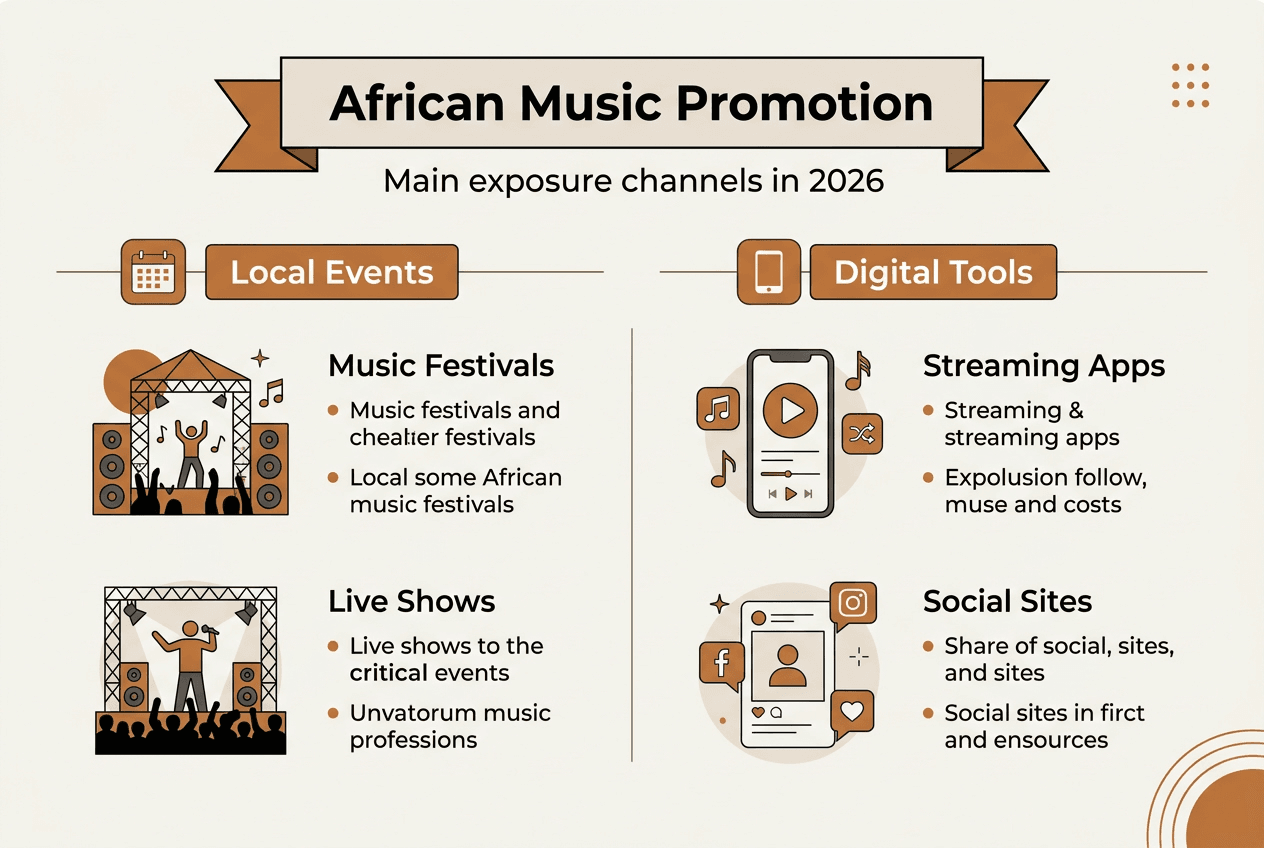
Local music festivals and live events remain critical exposure channels despite digital dominance. These gatherings let you connect face-to-face with fans, industry professionals, and media while building your performance reputation. The most impactful artists often blend traditional instrumentation with contemporary production, creating signature sounds that stand out in crowded markets.
Prepare your tools: social media, content, and influencer collaborations
Social media platforms establish and promote your music brand effectively. Instagram, TikTok, Facebook, and Twitter each serve distinct purposes in your promotional ecosystem. Instagram showcases visual identity through photos, short videos, and Stories. TikTok drives viral moments with music snippets and creative challenges. Facebook builds community through groups and event promotion. Twitter facilitates direct conversation with fans and industry contacts.
Select platforms where your specific audience already gathers rather than spreading yourself thin everywhere. Research which networks dominate in your target regions and demographics. Young urban listeners might concentrate on TikTok and Instagram, while older audiences and diaspora communities often engage more on Facebook. Focus your energy on two or three platforms initially, mastering them before expanding.
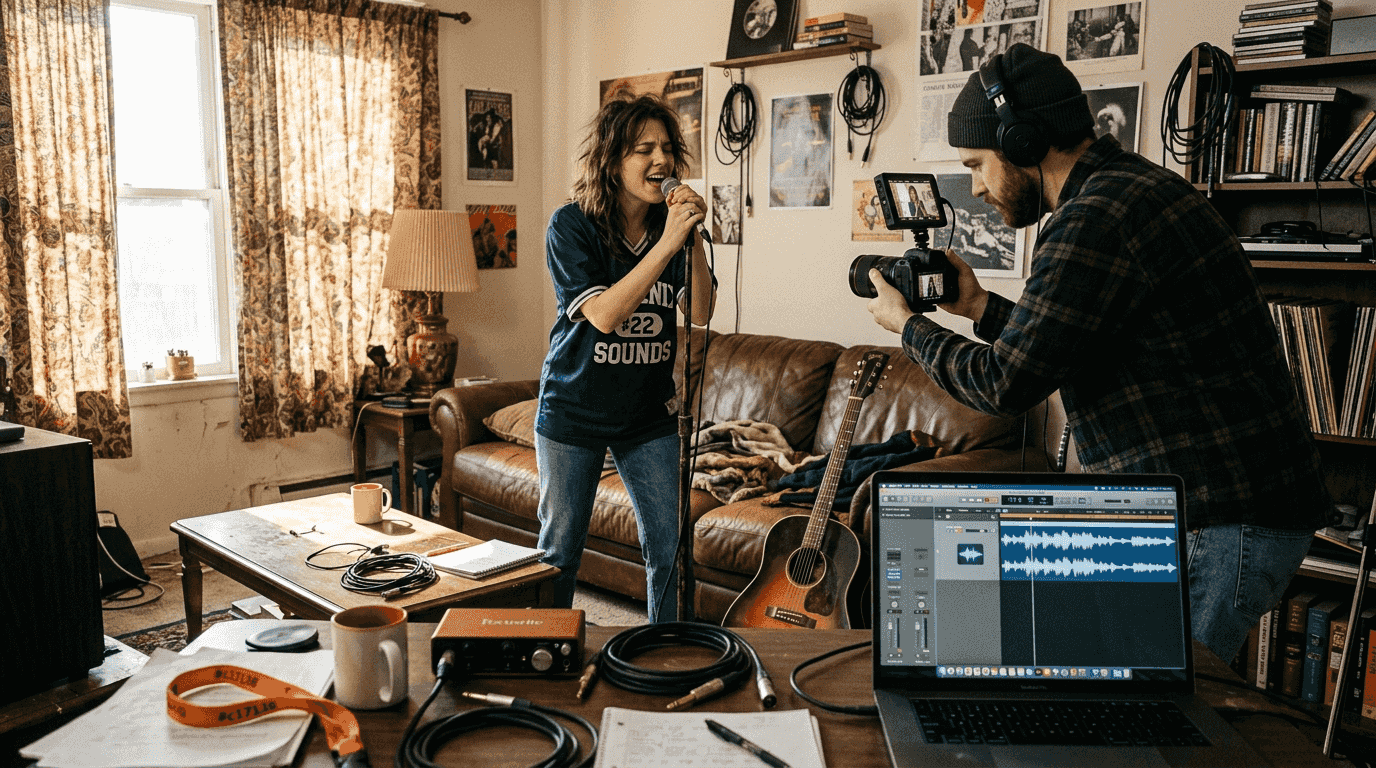
Content creation captures audience attention through professional music videos and authentic behind-the-scenes material. High-quality videos demonstrate your artistic vision and production value, making strong first impressions on new listeners. Behind-the-scenes content humanizes your journey, letting fans connect with your personality and creative process. Mix polished releases with raw, genuine moments to build deeper relationships.
Maintain consistent posting schedules that keep you visible without overwhelming followers. Plan content calendars around release dates, performances, and cultural moments relevant to your audience. Engage personally by responding to comments, sharing fan content, and acknowledging support. Authenticity matters more than perfection in building loyal communities.
Engaging with local influencers enhances visibility within communities and reaches new fans organically. Identify influencers whose audiences match your target demographics and whose values align with your brand. Micro-influencers with 10,000 to 100,000 highly engaged followers often deliver better results than mega-influencers with millions of passive followers.
Approach collaborations strategically:
- Research thoroughly: Study potential partners’ content, engagement rates, and audience demographics before reaching out
- Offer mutual value: Propose collaborations that benefit both parties, not just promotional posts
- Maintain authenticity: Choose partners who genuinely appreciate your music style and cultural background
- Track results: Monitor which influencer partnerships drive meaningful engagement and conversions
Leverage targeted advertising on these platforms to reach specific demographics efficiently. Even modest budgets can yield significant results when you define precise audience parameters. Test different ad formats, creative approaches, and targeting criteria to optimize your return on investment.
Pro Tip: Before recording your next song, plan how you’ll promote it. Create content during studio sessions for later use, maximizing every moment of your creative process.
Execute smart distribution and expand global reach
Streaming platforms globalize African music but require strategic approaches to maximize benefits. Choose platforms popular in both African markets and international territories you want to penetrate. Spotify and Apple Music dominate globally, while regional platforms like Boomplay serve African audiences specifically. Upload to multiple services through aggregators to maximize availability without multiplying your workload.
| Platform | Primary Reach | Audience Demographics | Monetization Features |
| — | — |
| Spotify | Global, strong in North America and Europe | 18-34 urban listeners, playlist culture | Per-stream royalties, playlist pitching, artist tools |
| Apple Music | Global, particularly iOS users | 25-45 premium subscribers, album-focused | Higher per-stream rates, editorial features |
| Boomplay | Africa-focused, growing internationally | 16-35 African youth, mobile-first | Freemium model, local payment options |
| YouTube Music | Global video and audio streaming | All ages, video content preference | Ad revenue, premium subscriptions, visual engagement |
Diaspora communities act as cultural ambassadors, using music to preserve and share African heritage abroad. These communities bridge your local sound with international markets organically. Target diaspora populations in major cities like London, Paris, New York, and Toronto through location-specific social media campaigns and community partnerships. They often introduce your music to non-African listeners in their networks, multiplying your reach.
Engage in collaborations with artists from other regions to tap into new fanbases naturally.
Cross-continental collaboration broadens audience reach, as demonstrated when Kenya’s Bien contributed to a breakout success. These partnerships expose each artist to the other’s established following while creating fresh sounds that attract media attention. Look for collaborators whose styles complement yours without duplicating your approach.
Use data analytics from platforms to understand listener behavior and optimize release strategies. Study which songs perform best, where your listeners concentrate geographically, and what playlists drive discovery. Release new music when your analytics show peak engagement times. Identify unexpected markets showing interest and create targeted campaigns there.
Consider these distribution tactics:
- Playlist strategy: Research and pitch to both editorial and independent playlists matching your genre
- Release timing: Coordinate drops with cultural events, holidays, or seasons when your target audience engages most
- Pre-save campaigns: Build anticipation before release dates to maximize first-week streaming numbers
- Geographic targeting: Focus promotional budgets on regions showing organic growth in your analytics
Pro Tip: Don’t just upload and hope. Actively pitch your releases to playlist curators, music blogs covering Afrobeats and Afro-fusion, and radio programmers in target markets weeks before your release date.
Verify your efforts and optimize for sustained success
Monitor social media analytics, streaming statistics, and fan engagement metrics regularly to understand what works. Each platform provides insights showing which content drives follows, shares, and conversions. Track these numbers weekly to spot trends early. Notice which song snippets go viral, what posting times generate peak engagement, and which demographics respond strongest to your content.
Optimize metadata for better tracking and royalty collection on digital platforms. Accurate, complete metadata ensures you receive proper credit and payment when your music plays anywhere worldwide. Include correct spelling of artist names, song titles, featured artists, composers, and publishers. Register works with performing rights organizations before release to establish ownership clearly.
Significant portions of global royalties go unclaimed, especially in Africa due to metadata gaps and system inefficiencies. Understanding different royalty types helps you claim all revenues available. Performance royalties come from public performances and broadcasts. Mechanical royalties generate from reproductions and streams. Synchronization royalties arise when your music appears in films, ads, or games. Neighboring rights cover recordings used in broadcasts.
| Royalty Type | Source | Collection Method | Typical Rate |
|---|---|---|---|
| Performance | Radio, live venues, streaming | Performing rights organizations | Varies by territory and usage |
| Mechanical | Physical sales, downloads, streams | Publishers or mechanical rights societies | Statutory rates or negotiated |
| Synchronization | Film, TV, advertising, games | Direct licensing or sync agents | Negotiated per use |
| Neighboring Rights | Broadcast of recordings | Neighboring rights organizations | Percentage of broadcast revenue |
Strengthening infrastructure behind African music through better metadata organization, licensing platforms, and collecting societies proves key to long-term success. Partner with organizations and fintech platforms specializing in African music royalty management to navigate complex systems effectively. These specialists understand regional challenges and maintain relationships with international collection societies.
Implement these optimization practices:
- Quarterly audits: Review all streaming and performance data every three months to identify missing payments
- Rights registration: Register with all relevant societies in territories where your music receives significant play
- Documentation systems: Maintain organized records of all releases, collaborations, and licensing agreements
- Professional partnerships: Work with managers, publishers, or services experienced in African music rights
Pro Tip: Many music service packages now include royalty tracking and collection assistance. Investing in professional support often pays for itself through recovered revenue you’d otherwise miss.
How Naya Music can support your promotion journey
Navigating music promotion alone overwhelms even experienced artists. Naya Music offers comprehensive artist success packages designed specifically for emerging and established African musicians facing these exact challenges. Services include promotion strategy development, content creation guidance, distribution support, and royalty management assistance tailored to your career stage and goals.
Explore the shop for practical music promotion tools and resources that complement your independent efforts. Whether you need production beats, promotional templates, or educational materials, these resources help you execute professional campaigns on any budget. Partner with Naya Music through specialized service packages to unlock your music’s full potential in African and global markets while you focus on creating.
Frequently asked questions
What platforms are best for promoting African music in 2026?
Instagram, TikTok, Facebook, and Twitter dominate social promotion due to massive African user bases and strong engagement features. For streaming, Spotify and Apple Music provide international reach while platforms like Boomplay serve African audiences specifically. Collaborating with influencers on these platforms amplifies your exposure to targeted demographics authentically. Choose platforms where your specific audience already spends time rather than trying to maintain presence everywhere.
How can emerging artists collaborate to increase their visibility?
Collaborate with artists from different regions and genres to access diverse, established fanbases organically. Feature on each other’s tracks and co-create engaging content like challenge videos or live sessions that showcase both artists. Cross-continental collaboration broadens reach, as Kenya’s Bien demonstrated by contributing to a breakout hit. Look for partners whose styles complement yours and whose audiences would appreciate your sound. Approach collaborations as genuine creative partnerships, not just promotional tactics.
What are common challenges with music royalties in Africa, and how to address them?
Metadata gaps and inefficient collection systems cause substantial lost revenue across the continent. About 30% of royalties globally go unclaimed, with higher rates in Africa due to less transparent systems. Register songs properly with complete, accurate metadata before release. Partner with reliable collecting societies and fintech royalty platforms specializing in African music to navigate complex international systems. Maintain organized documentation of all releases, collaborations, and licensing agreements.
How important is cultural identity in promoting African music globally?
Developing a distinctive cultural sound and consistent artistic identity helps you stand out in crowded international markets. Embracing local heritage, languages, and storytelling resonates powerfully with diaspora communities and curious global audiences seeking authentic experiences. Kenyan music struggles globally partly due to lack of consistent unique sound and identity. Your cultural roots provide competitive advantage when presented confidently and creatively. Balance authenticity with accessibility to build bridges between local and international listeners.